From Hollywood To The Ocean: How Jaws Affected Public Perception Of Sharks

Welcome to your ultimate source for breaking news, trending updates, and in-depth stories from around the world. Whether it's politics, technology, entertainment, sports, or lifestyle, we bring you real-time updates that keep you informed and ahead of the curve.
Our team works tirelessly to ensure you never miss a moment. From the latest developments in global events to the most talked-about topics on social media, our news platform is designed to deliver accurate and timely information, all in one place.
Stay in the know and join thousands of readers who trust us for reliable, up-to-date content. Explore our expertly curated articles and dive deeper into the stories that matter to you. Visit Best Website now and be part of the conversation. Don't miss out on the headlines that shape our world!
Table of Contents
From Hollywood to the Ocean: How Jaws Affected Public Perception of Sharks
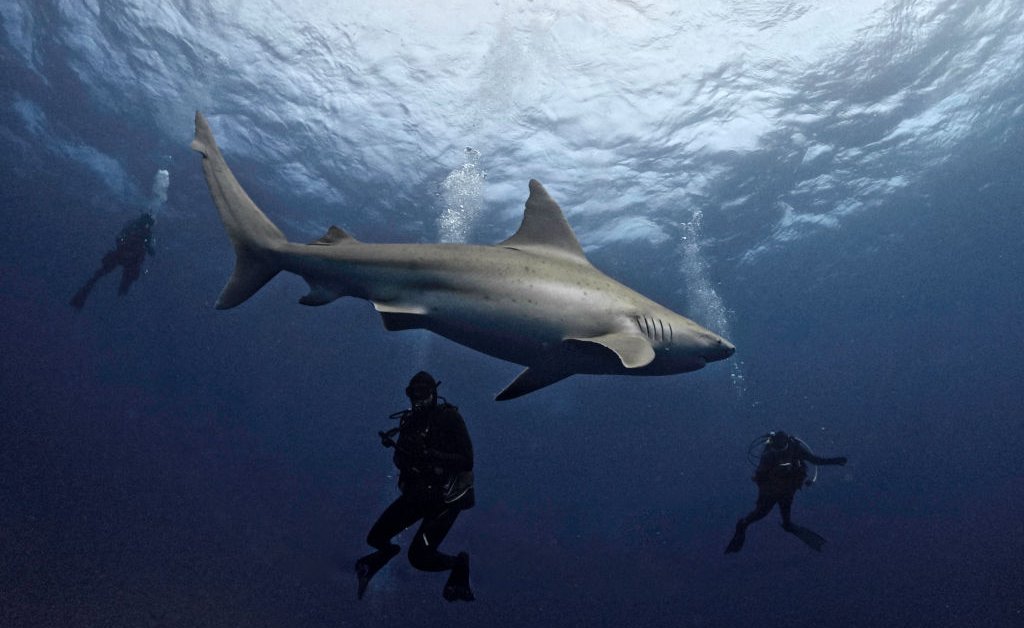
The summer of 1975 brought more than just sunshine and beach days; it brought a terrifying, finned predator to the forefront of public consciousness. Steven Spielberg's Jaws wasn't just a blockbuster; it was a cultural phenomenon that irrevocably altered public perception of sharks, sparking a wave of fear and misunderstanding that continues to impact conservation efforts today.
The "Jaws" Effect: Fear Takes the Stage
Before Jaws, sharks were largely unknown entities to the average person. While some understood their importance in the marine ecosystem, the general public held a largely neutral, if not slightly curious, view. Spielberg's masterpiece, however, transformed this perception. The film's intense suspense, chilling score, and iconic imagery of a great white shark relentlessly hunting humans created a lasting phobia: Galeophobia, the fear of sharks.
Jaws wasn't just about a scary movie; it tapped into primal fears of the unknown and the power of nature. The film’s success fueled a media frenzy, with news outlets reporting on shark attacks—often exaggerating the frequency and severity—further cementing the image of sharks as ruthless killing machines. This amplified fear had significant consequences.
The Ripple Effect: Conservation Concerns
The immediate aftermath of Jaws' release saw a dramatic increase in shark culls. Driven by fear and a misplaced sense of safety, many coastal communities launched aggressive campaigns to eliminate sharks from their waters. This widespread slaughter decimated shark populations, which were already struggling due to overfishing and habitat destruction.
This indiscriminate killing highlights a crucial aspect of the Jaws legacy: the disconnect between public perception and scientific reality. Sharks are apex predators, vital to maintaining the health of ocean ecosystems. Their decline has cascading effects, disrupting the delicate balance of marine life and impacting biodiversity.
Beyond the Fear: A Call for Understanding
While Jaws undeniably fueled negative perceptions of sharks, it also inadvertently sparked a conversation about their importance and the need for conservation. In recent years, there's been a growing movement to challenge the negative portrayal perpetuated by the film and promote a more accurate and nuanced understanding of these magnificent creatures.
Several organizations dedicated to shark conservation, like the Pew Charitable Trusts and the Ocean Conservancy, are working tirelessly to educate the public and advocate for stronger protections for sharks. Their efforts focus on:
- Debunking myths and misconceptions: Highlighting the rarity of shark attacks and emphasizing the crucial role sharks play in the ocean.
- Promoting responsible fishing practices: Advocating for sustainable fishing methods that minimize bycatch and protect shark populations.
- Protecting shark habitats: Working to establish marine protected areas and combat pollution that threatens shark habitats.
A Legacy of Fear and Hope:
Jaws remains a cinematic masterpiece, but its impact extends far beyond the screen. While the film instilled a generation with a deep-seated fear of sharks, it also inadvertently highlighted the urgent need for their protection. Today, understanding the true nature of sharks—their importance to the ocean's health and their vulnerability to human activity—is crucial for ensuring their survival and the health of our oceans. Let's move beyond the fear and embrace a future where sharks are appreciated, not just feared. Learn more about shark conservation and how you can help at [link to a reputable shark conservation organization].
Thank you for visiting our website, your trusted source for the latest updates and in-depth coverage on From Hollywood To The Ocean: How Jaws Affected Public Perception Of Sharks. We're committed to keeping you informed with timely and accurate information to meet your curiosity and needs.
If you have any questions, suggestions, or feedback, we'd love to hear from you. Your insights are valuable to us and help us improve to serve you better. Feel free to reach out through our contact page.
Don't forget to bookmark our website and check back regularly for the latest headlines and trending topics. See you next time, and thank you for being part of our growing community!
Featured Posts
-
 Las Vegas Aces Slow Start Dissecting Their 5 6 Record
Jun 23, 2025
Las Vegas Aces Slow Start Dissecting Their 5 6 Record
Jun 23, 2025 -
 Conquer Wordle 1464 June 22nd Clues And Solution
Jun 23, 2025
Conquer Wordle 1464 June 22nd Clues And Solution
Jun 23, 2025 -
 Sparks Waive Guard Just Three Days After Signing A Wnba Roster Update
Jun 23, 2025
Sparks Waive Guard Just Three Days After Signing A Wnba Roster Update
Jun 23, 2025 -
 Watch Heated Exchange Marrs Wimbledon Warm Up Event
Jun 23, 2025
Watch Heated Exchange Marrs Wimbledon Warm Up Event
Jun 23, 2025 -
 Panama Protests Lead To Suspension Of Constitutional Protections In Northwest Region
Jun 23, 2025
Panama Protests Lead To Suspension Of Constitutional Protections In Northwest Region
Jun 23, 2025

