Air Pollution's Deadly Toll: How Emission Control Saves Lives

Welcome to your ultimate source for breaking news, trending updates, and in-depth stories from around the world. Whether it's politics, technology, entertainment, sports, or lifestyle, we bring you real-time updates that keep you informed and ahead of the curve.
Our team works tirelessly to ensure you never miss a moment. From the latest developments in global events to the most talked-about topics on social media, our news platform is designed to deliver accurate and timely information, all in one place.
Stay in the know and join thousands of readers who trust us for reliable, up-to-date content. Explore our expertly curated articles and dive deeper into the stories that matter to you. Visit Best Website now and be part of the conversation. Don't miss out on the headlines that shape our world!
Table of Contents
Air Pollution's Deadly Toll: How Emission Control Saves Lives
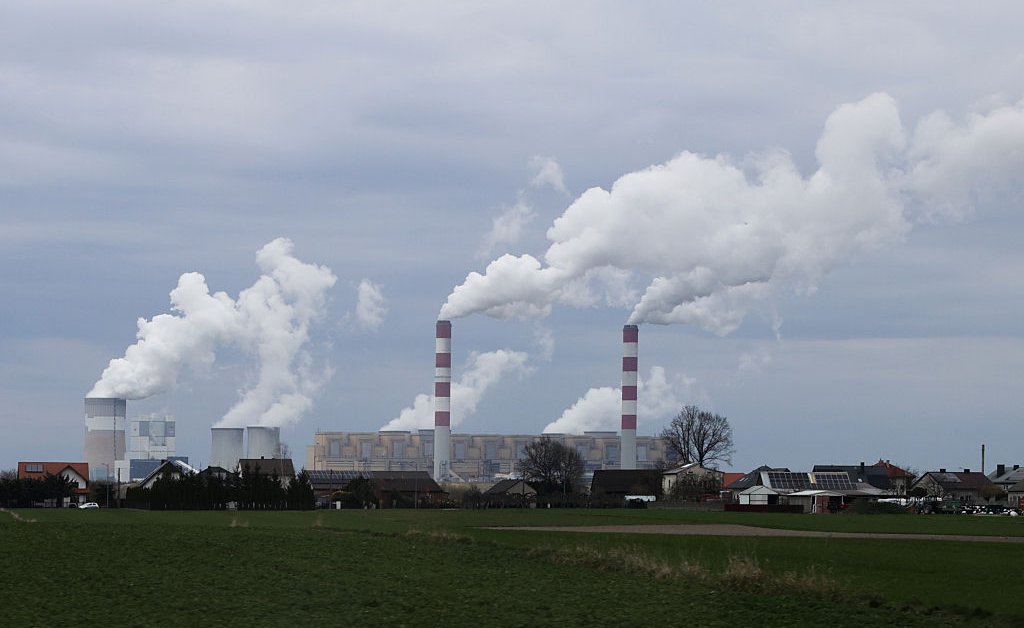
Air pollution is a silent killer, claiming millions of lives annually. This isn't just a distant environmental concern; it's a public health crisis impacting communities worldwide. The World Health Organization (WHO) estimates that air pollution contributes to over 7 million premature deaths each year, highlighting the urgent need for effective emission control strategies. But how exactly does controlling emissions translate into saving lives? This article delves into the critical link between air pollution, emission control, and the preservation of human life.
The Deadly Impact of Air Pollutants
Air pollution encompasses a cocktail of harmful substances, including particulate matter (PM2.5 and PM10), ozone, nitrogen dioxide, and sulfur dioxide. These pollutants, often stemming from industrial emissions, vehicle exhaust, and power generation, penetrate deep into our lungs and bloodstream, causing a range of severe health problems.
- Respiratory Illnesses: Exposure to air pollutants significantly increases the risk of developing asthma, bronchitis, chronic obstructive pulmonary disease (COPD), and lung cancer. Children and the elderly are particularly vulnerable.
- Cardiovascular Diseases: Air pollution is a major contributor to heart attacks, strokes, and other cardiovascular diseases. The fine particles can inflame blood vessels, leading to increased blood pressure and clot formation.
- Other Health Impacts: The harmful effects extend beyond respiratory and cardiovascular issues. Studies link air pollution to increased risks of neurological disorders, diabetes, and even certain types of cancer.
The Power of Emission Control
The good news is that we have the tools to combat this crisis. Implementing and enforcing robust emission control measures is paramount to reducing air pollution and saving lives. These measures include:
- Stricter Emission Standards: Governments must enforce stringent regulations on industrial emissions, vehicle exhaust, and power plant emissions. Transitioning to cleaner fuels and technologies is crucial. Learn more about the for example.
- Investing in Renewable Energy: Shifting towards renewable energy sources, such as solar and wind power, significantly reduces greenhouse gas emissions and air pollutants. This transition is not only environmentally beneficial but also a crucial step in improving public health.
- Promoting Public Transportation and Active Mobility: Encouraging the use of public transportation, cycling, and walking reduces reliance on private vehicles, thereby decreasing traffic-related air pollution.
- Improving Urban Planning: Designing cities with green spaces, efficient public transit systems, and reduced reliance on private vehicles can create healthier environments for residents.
- Technological Advancements: Continuous research and development of cleaner technologies, such as advanced emission control systems for vehicles and industries, are vital in minimizing pollution.
A Global Effort for Cleaner Air
Addressing air pollution is a collective responsibility. International collaborations, governmental policies, technological innovations, and individual actions are all essential components in mitigating this global health crisis. The cost of inaction far outweighs the investment in emission control – lives are at stake.
Call to Action: Learn more about air quality in your area and advocate for stronger emission control policies. Small changes in personal habits, like choosing public transport or cycling, can collectively make a significant difference. The fight for cleaner air is a fight for healthier lives. Let's breathe easier, together.
Thank you for visiting our website, your trusted source for the latest updates and in-depth coverage on Air Pollution's Deadly Toll: How Emission Control Saves Lives. We're committed to keeping you informed with timely and accurate information to meet your curiosity and needs.
If you have any questions, suggestions, or feedback, we'd love to hear from you. Your insights are valuable to us and help us improve to serve you better. Feel free to reach out through our contact page.
Don't forget to bookmark our website and check back regularly for the latest headlines and trending topics. See you next time, and thank you for being part of our growing community!
Featured Posts
-
 Frontier Airlines Staff Caught On Video Taunting And Charging Passenger
May 08, 2025
Frontier Airlines Staff Caught On Video Taunting And Charging Passenger
May 08, 2025 -
 Frontier Airlines Passenger Dispute Check In Chaos
May 08, 2025
Frontier Airlines Passenger Dispute Check In Chaos
May 08, 2025 -
 Rebel Wilson Opens Up About Losing A Major Role
May 08, 2025
Rebel Wilson Opens Up About Losing A Major Role
May 08, 2025 -
 Key Testimony In Karen Read Murder Retrial Watch The Livestream
May 08, 2025
Key Testimony In Karen Read Murder Retrial Watch The Livestream
May 08, 2025 -
 Ipl 2025 Dc Vs Pbks Live Dharamshala Match Score And Updates
May 08, 2025
Ipl 2025 Dc Vs Pbks Live Dharamshala Match Score And Updates
May 08, 2025

